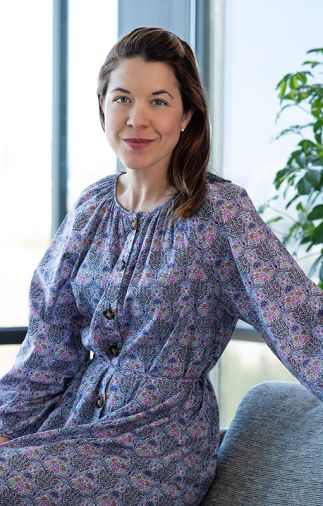

Jessica Lane Interiors | www.jessicalaneinteriors.com
When did you realize you wanted to pursue design?
I found my way to design by realizing what I didn’t want to do. I was on a straightforward, corporate path, and choosing a graduate program in design felt like a left turn. When I told my mom, she wasn’t surprised, she reminded me I was the kid who loved organizing her messy closets and tearing pages from shelter magazines. The connection had been there all along.
How did your East Coast experiences influence your style and design principles?
Growing up, I was surrounded by a rich mix of influences—from Colonial to European—which drew me to homes where pieces from different periods live harmoniously alongside modern furniture. I’ve always had a soft spot for classic architectural details, traditional millwork, and even formal layouts, but working in NYC taught me that great design is always specific to the location and client, so I don’t stick to just one style.
What is your approach to design and how do you imbue this in your work?
My approach starts with asking the right questions to understand client personalities and preferences, as well as to research the site’s history. From there, I develop a design concept that guides both major decisions and smaller details. With so many great options, a clear concept gives confidence to clients, reasoning behind every choice, and builds a foundation of trust.
You are known for guiding your clients through each step of the process; what is your approach?
I make my process transparent from the start, as clients should know what to expect and enjoy the journey. My presentations are never one-way; I look for what excites clients because that enthusiasm inspires me and becomes the foundation for the design. While I’m always looking to move projects forward, the process is iterative: educating, listening, gathering feedback, and refining until it feels just right.
What inspired your focus on older homes?
When I moved to Portland 10 years ago, new construction was limited, and there was growing interest in buying older homes and updating them. It felt like a natural fit, I’ve always been drawn to the puzzles that older homes offer; idiosyncrasies to embrace or resolve, discoveries along the way, and the many past lives that make up their story.
You have a reputation for sourcing and incorporating vintage pieces, why is this important to you?
Vintage items and antiques add depth and create a playful tension with newer pieces. Clients who request I source special vintage items are usually the most patient and invested as they understand that while a house can be furnished quickly, a home develops gradually, growing and evolving alongside them.
How does focusing on a limited number of projects allow for better collaboration?
Focusing on a small number of well-suited projects lets me give more personalized attention. I’m hands-on from start to finish, dedicating time to both clients and the build team. Meetings are an open dialogue—listening, giving feedback, making adjustments—so the process feels like a true partnership. My goal is always for the client to feel heard and be involved every step of the way.
You’ve worked on a variety of homes, how do you navigate the myriad of challenges?
I think of myself as the conductor of an orchestra, bringing together talented specialists, but not really being a specialist myself. I lean heavily on the project team, working with skilled contractors and talented workrooms. With every project, there is something new to learn, and that keeps me motivated.
Favorite way to spend a weekend in the Northwest?
Weekends are family time. I love getting outdoors with my sports-driven sons, and enjoying Portland’s food scene with my husband.